Best Dog Grooming Tips 2026: Tools, Techniques & What Actually Works
Dog Grooming Essentials: A Complete Guide
As a dog owner, grooming your furry friend is not just about keeping them looking their best—it's an essential aspect of their overall health and well-being. From maintaining a shiny coat to detecting potential health issues early, grooming is a fundamental part of responsible pet ownership. In this comprehensive guide, we will explore everything you need to know about dog grooming, from the tools you'll need to tips for grooming different coat types.
Why Grooming Matters
Grooming is vital for several reasons:
- Health: Regular grooming helps to keep your dog's skin and coat healthy, preventing issues like matting, skin infections, and parasites.
- Bonding: Grooming sessions can enhance the bond between you and your pet, providing quality time together and creating trust.
- Early Detection: Grooming allows you to inspect your dog's skin for abnormalities, which can lead to early detection of skin infections, lumps, or parasites.
Interesting & Surprising Facts About Dog Hair and Grooming
Did you know that your dog's hair holds many secrets? Here are some fascinating facts:
- The Growth Rate: Dog hair can grow up to 1/2 inch per month, depending on the breed and health of your pet.
- Double Coats: Breeds with double coats have a dense undercoat for insulation and a coarser outer coat to repel water and dirt—think Golden Retrievers and Siberian Huskies.
- Shedding Schedules: Dogs typically shed in cycles, so if your pet is shedding more than usual, it may be because they are transitioning between seasonal coats.
- The Science of a Dog's Coat: Dogs have varying coat types due to genetics, which affect their grooming needs and shedding patterns.
- Color Change: Some dogs can change coat colors as they age, particularly breeds like the Dachshund or the Yorkshire Terrier.
Understanding Coat Types
Different coat types require different grooming techniques:
- Short Coat: Breeds like Beagles and Bulldogs benefit from simple brushing, usually once a week, to remove loose hair.
- Long Coat: Long-haired breeds like Yorkies need daily grooming to prevent tangles and mats.
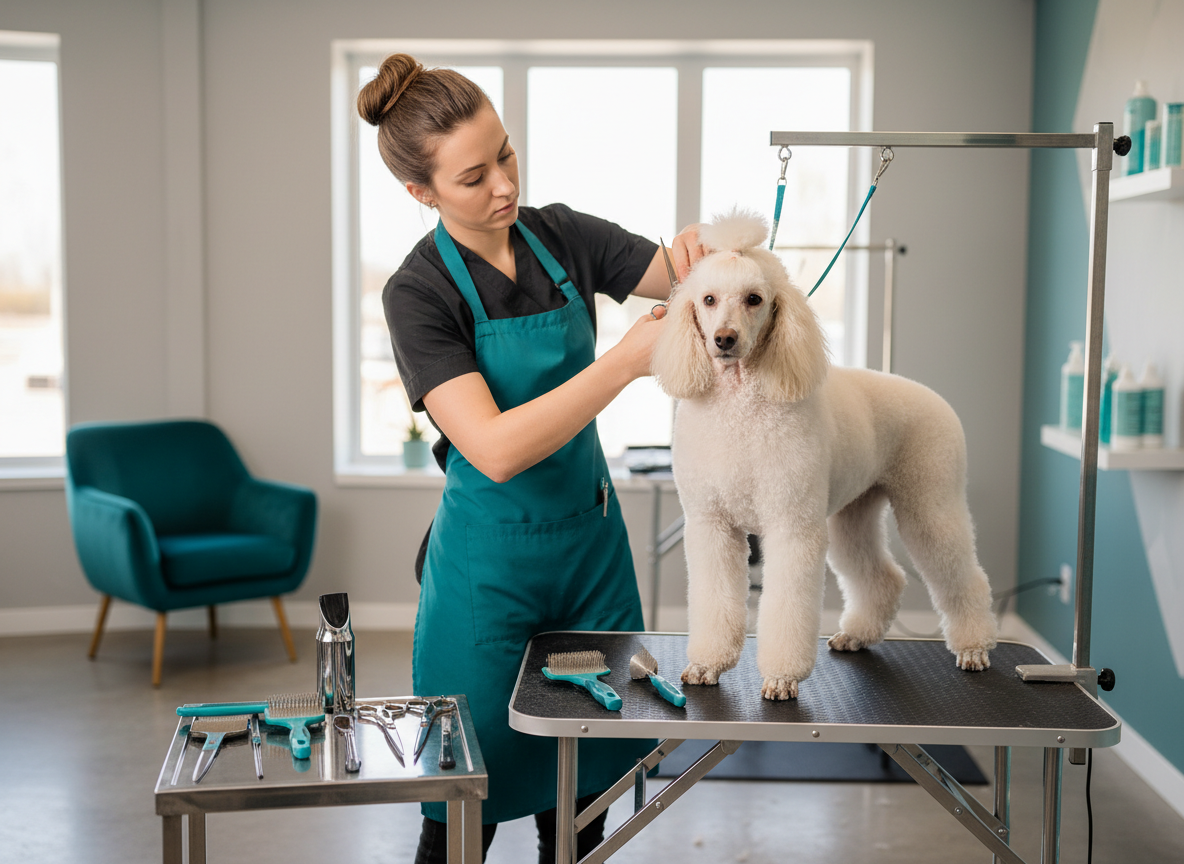
- Curly Coat: Breeds like Poodles require regular grooming every few weeks to prevent matting and to maintain coat texture.
- Double Coat: Breeds such as Labrador Retrievers should be brushed several times a week and during shedding seasons to manage undercoat removal.
- Wire Coat: Terriers often require specific grooming techniques like hand-stripping to maintain their texture.
Essential Grooming Tools
Before diving into the grooming process, you'll need the right tools:
- Slicker Brush: Perfect for removing tangles and mats, especially in long-haired and curly breeds.
- Dematting Comb: A must-have for dealing with stubborn mats. Use carefully to avoid cutting the hair or hurting your dog.
- Nail Clippers: Choose between scissor-style or guillotine-style clippers. Ensure they are sharp for a clean cut.
- Ear Cleaners: Use veterinarian-recommended solutions to prevent ear infections, particularly in breeds prone to ear issues.
- Shampoo and Conditioner: Opt for dog-specific products suitable for your dog's skin type; avoid human shampoo as it can irritate their skin.
Step-by-Step Bathing Guide
Bathing your dog is a beneficial and enjoyable experience for both of you. Here's how to do it right:
- Before bathing, brush your dog to remove loose hair and mats.
- Choose a location: a bathtub or a large sink works well for small dogs, while larger dogs may need a backyard or outdoor area.
- Use lukewarm water and wet your dog's coat thoroughly, avoiding the head area initially.
- Apply a small amount of dog shampoo, lathering well and avoiding the eyes and ears.
- Rinse completely until the water runs clear, then follow with a suitable conditioner.
- Dry your dog with towels or a blow dryer set on low if they are comfortable with the noise.
Brushing Techniques by Coat Type
Using the right technique is key to effective grooming:
- Short-Coated Dogs: Use a rubber curry brush for a quick and effective brushing once a week.
- Long-Coated Dogs: Use a slicker brush, starting at the back and working your way forward, being gentle around sensitive areas.
- Curly-Coated Dogs: Use a wide-toothed comb first, then follow with a slicker brush to prevent pulling.
- Double-Coated Dogs: Use an undercoat rake to remove the dense undercoat, then follow with an all-purpose brush.
- Wire-Coated Dogs: Use a stripping knife periodically to maintain their coat's texture and avoid clipping.
Nail Trimming — How to Do It Safely
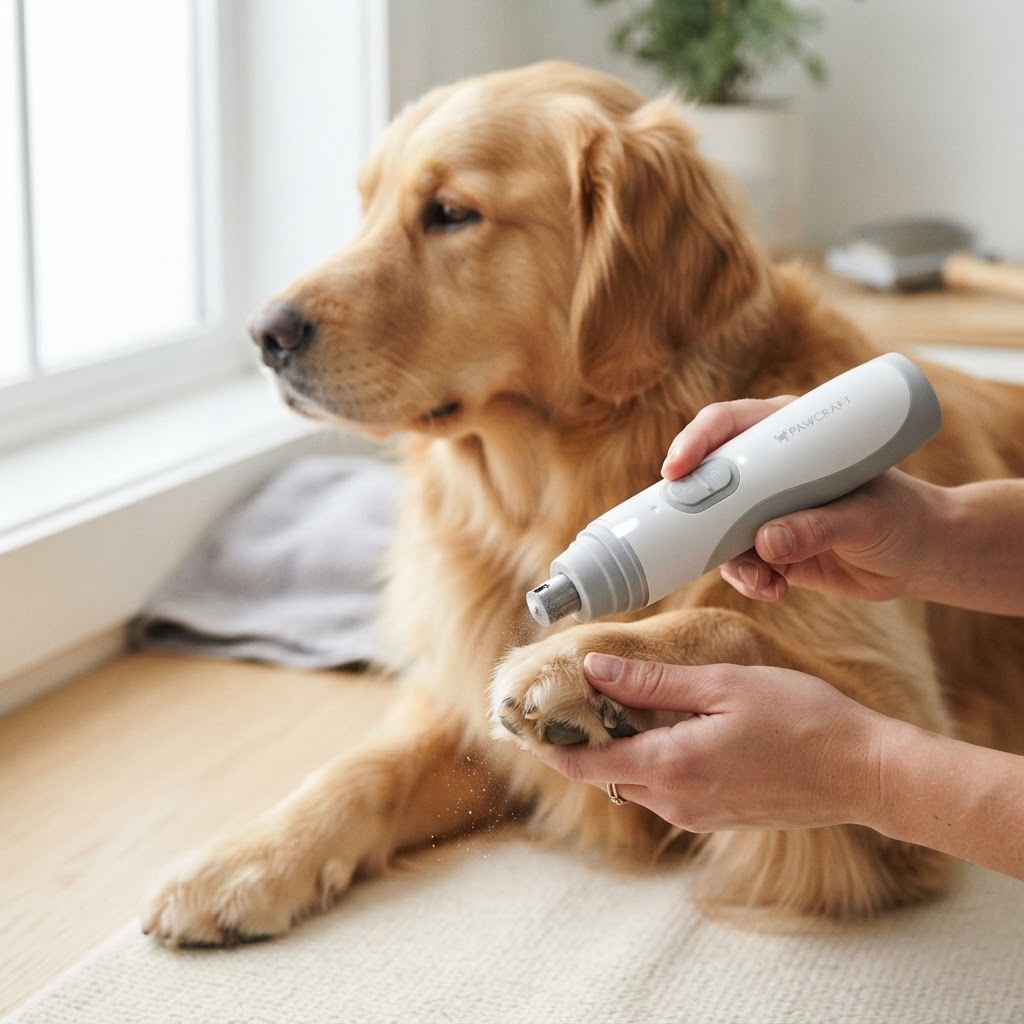
Nail care is an important part of grooming. Here are tips to do it safely:
- Use a good-quality nail clipper suitable for your dog's size.
- Hold your dog's paw firmly and find the quick (the pink area inside the nail). Avoid cutting into the quick, as it causes pain and bleeding.
- If you do accidentally cut the quick, apply styptic powder to stop the bleeding.
- Trim only a small amount at a time if your dog's nails are very long to avoid cutting into the quick.
Ear and Eye Care
When grooming, don't forget about ear and eye care:
- Check ears weekly for dirt or wax build-up; clean with a vet-recommended ear cleaner.
- Keep the ears dry, especially after baths or swimming to prevent infections.
- For eye care, wipe away any discharge with a damp cloth designed for pets.
Teeth Brushing for Dogs
Oral hygiene is crucial for your dog's health:
- Use a toothbrush and toothpaste specifically designed for dogs.
- Brush in gentle circular motions, focusing on the gum lines.
- Ideally, brush your dog's teeth daily, or at least a few times a week to maintain dental health.
How Often to Groom Each Coat Type
Frequency of grooming will vary based on the coat type:
- Short Coat: Every 1-2 weeks.
- Long Coat: Daily or every other day.
- Curly Coat: Every 4-6 weeks.
- Double Coat: Every 2-3 weeks, especially during shedding seasons.
- Wire Coat: Every 3-4 months, plus regular hand-stripping as needed.
Professional vs. Home Grooming — When to Go Pro
Deciding between home grooming and professional services depends on a few factors:
- Skills: If you are not comfortable with certain tasks like clipping or hand-stripping, consider going to a professional.
- Time: If you have a busy schedule and cannot dedicate time to grooming, a professional groomer can be a great alternative.
- Health: Dogs with specific grooming needs or medical conditions may require a professional touch.
Common Grooming Mistakes to Avoid
Avoid these pitfalls to ensure the best results:
- Not brushing before a bath can lead to mats becoming tighter.
- Over-bathing can strip natural oils from the skin.
- Using the wrong tools for your coat type can cause damage or discomfort.
- Neglecting to clean ears and teeth may lead to health issues.
Grooming Puppies vs. Adult Dogs
Puppies need special attention when it comes to grooming:
- Introduce grooming at a young age to help them get used to the process.
- Use gentle brushes and shorter sessions to keep it positive and fun.
- Be cautious with nails and ears as they are still developing; handle gently.
Conclusion
In conclusion, grooming is an essential task every dog owner should prioritize. Not only does it keep your dog looking their best, but it promotes their health, strengthens your bond, and can even be a fun and relaxing time for both of you. With the right tools and techniques, you can master the art of grooming and keep your furry friend happy and healthy.
Top-Auswahl auf Amazon
Unsere empfohlenen Produkte basierend auf diesem Artikel — Preise und Verfügbarkeit prüfen.