What to Look for When Buying Cat Food: A Complete Guide
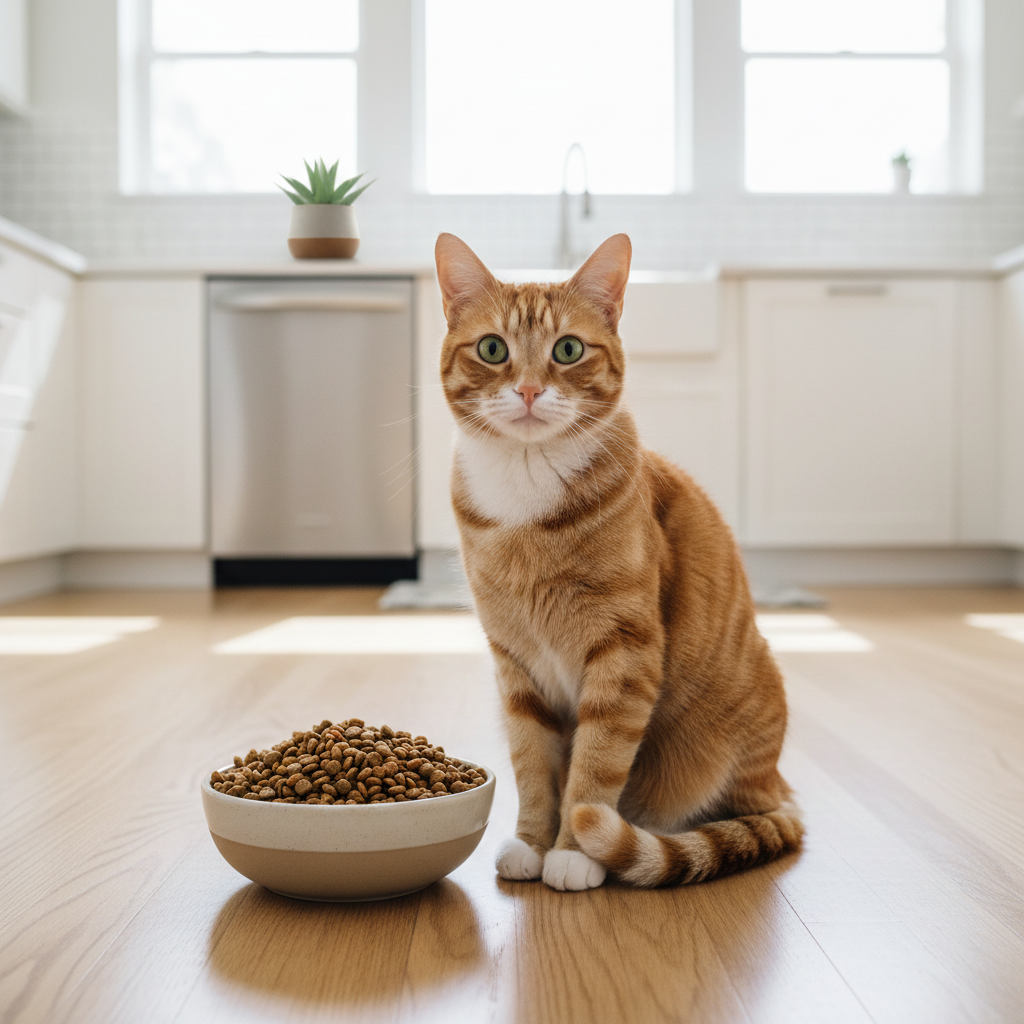
Walk down the pet food aisle and you'll be greeted by dozens of bags all claiming to be "premium," "natural," or "vet-recommended." But how do you actually know what's good for your cat?
The truth is, most cat owners rely on packaging claims rather than ingredients. This guide will change that.
Cats Are Obligate Carnivores — That Changes Everything
Unlike dogs or humans, cats cannot thrive on plant-based diets. They are obligate carnivores, which means their bodies require nutrients found only in animal tissue — things like taurine, arachidonic acid, and vitamin A in its preformed state.
This means the single most important thing you can look for in cat food is a named animal protein as the first ingredient — chicken, turkey, salmon, beef, or lamb. If you see "meat by-products," "corn," or "wheat" listed first, that's a red flag.
How to Read the Ingredients Label
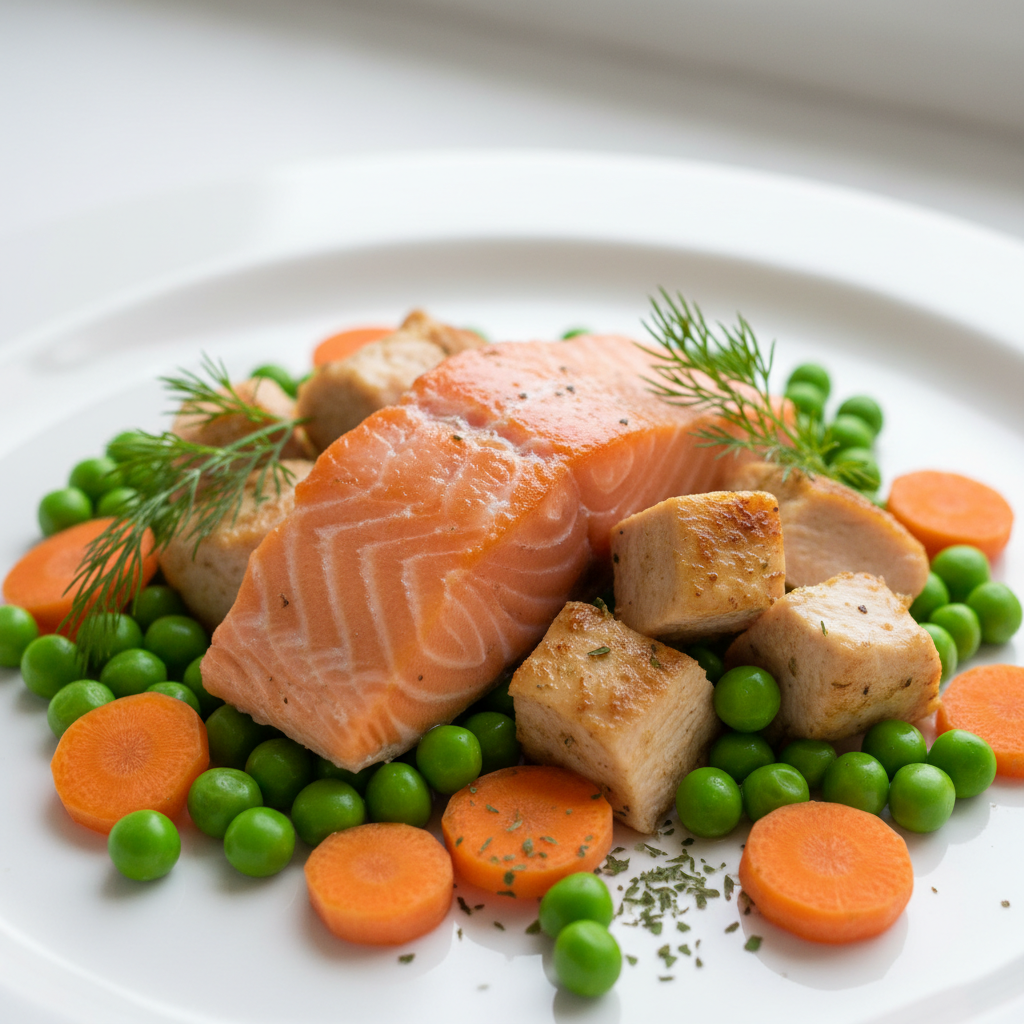
Ingredients are listed by weight before cooking, so the first few items matter most. Here's what to look for:
✅ Green Flags — Look For These
- Named protein first — "Chicken," "Salmon," "Turkey" (not just "meat")
- Organ meats — liver, heart, and kidney are nutrient-dense and cats love them
- Taurine listed — essential for heart and eye health; cats can't produce it themselves
- Limited ingredient list — simpler is often better
- Moisture content — especially important in wet food (cats have a low thirst drive and need hydration from food)
❌ Red Flags — Watch Out For These
- "Meat by-products" without a species named — vague and low quality
- Corn, wheat, or soy as primary ingredients — cats don't digest these well
- Artificial preservatives — BHA, BHT, and ethoxyquin are best avoided
- Excessive fillers — brown rice, pea protein, and potato starch in large quantities
- Added sugars — cats don't need them and they contribute to obesity
Wet Food vs. Dry Food: What's Better?
This is one of the most debated topics in cat nutrition. Here's the honest breakdown:
Wet food more closely mimics a cat's natural diet — high protein, high moisture, low carbohydrates. It's particularly beneficial for:
- Cats prone to urinary tract issues
- Senior cats with kidney concerns
- Cats who don't drink enough water
Dry food is convenient and can support dental health, but it's typically higher in carbohydrates and lower in moisture. Many vets recommend combining both — wet food as the primary meal with dry food as a supplement or treat.
Life Stage Matters
Always choose food formulated for your cat's life stage:
- Kitten food — higher in protein, fat, and calories for growth
- Adult food — balanced maintenance nutrition
- Senior food — adjusted for lower activity levels and kidney support
- "All life stages" — meets the needs of all cats but may be calorie-dense for less active adults
Understanding the Guaranteed Analysis
Every cat food label includes a Guaranteed Analysis panel. Here's how to read it:
- Protein — aim for 30%+ in dry food, 8%+ in wet (on an as-fed basis)
- Fat — a healthy source of energy; 15–20% in dry food is reasonable
- Fiber — cats don't need much; under 5% is ideal
- Moisture — wet food should be 75–80%; dry food around 10%
The Bottom Line
The best cat food puts real, named animal protein first, keeps fillers and artificial additives minimal, and matches your cat's life stage and health needs. Don't be swayed by flashy packaging — flip the bag over and read what's actually inside.
Your cat can't read the label. But now you can.
Top Picks on Amazon
Our recommended products based on this article — check prices and availability.