What to Look for When Buying Dog Food: A Complete Guide
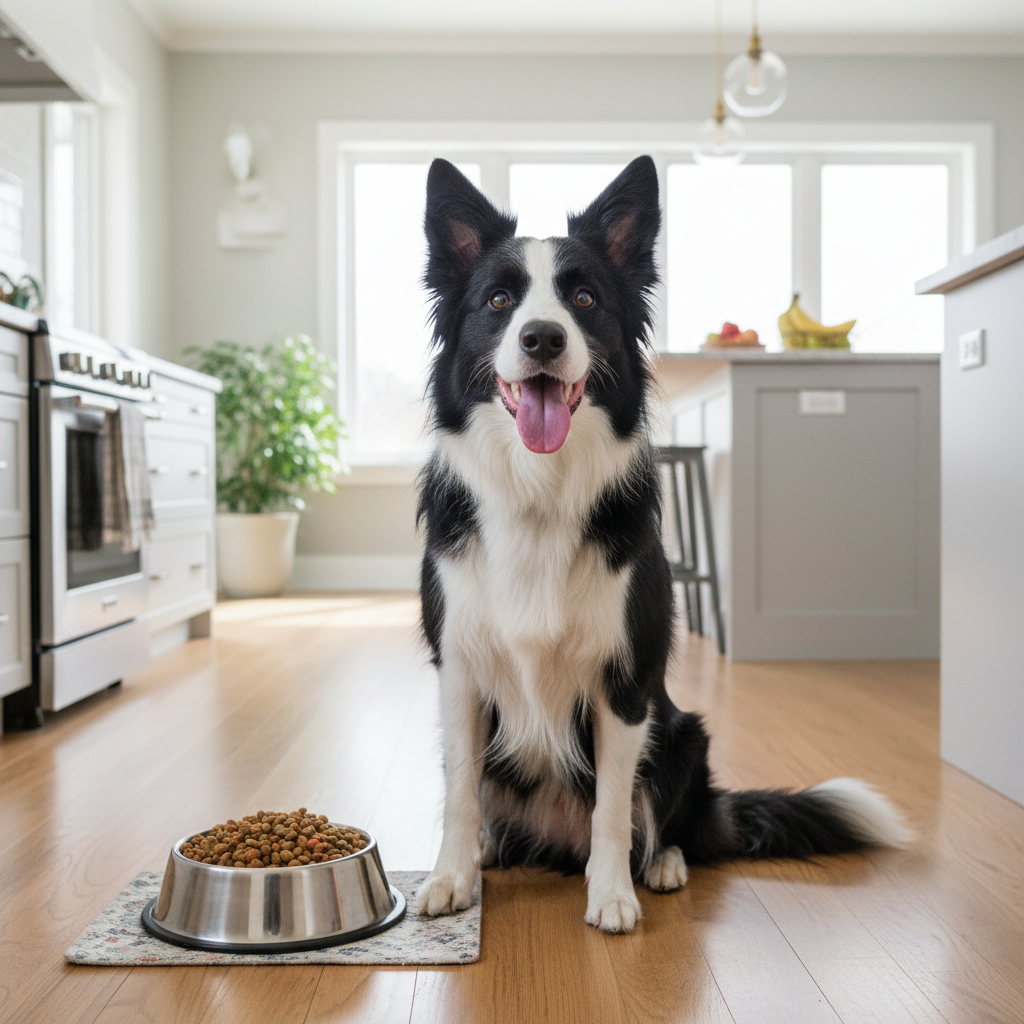
Your dog depends on you to make the right call at the pet food aisle. But with marketing terms like "grain-free," "holistic," "ancestral diet," and "human-grade" plastered across every bag, it's hard to know what actually matters.
Let's cut through the noise.
Dogs Are Omnivores — But Protein Still Comes First
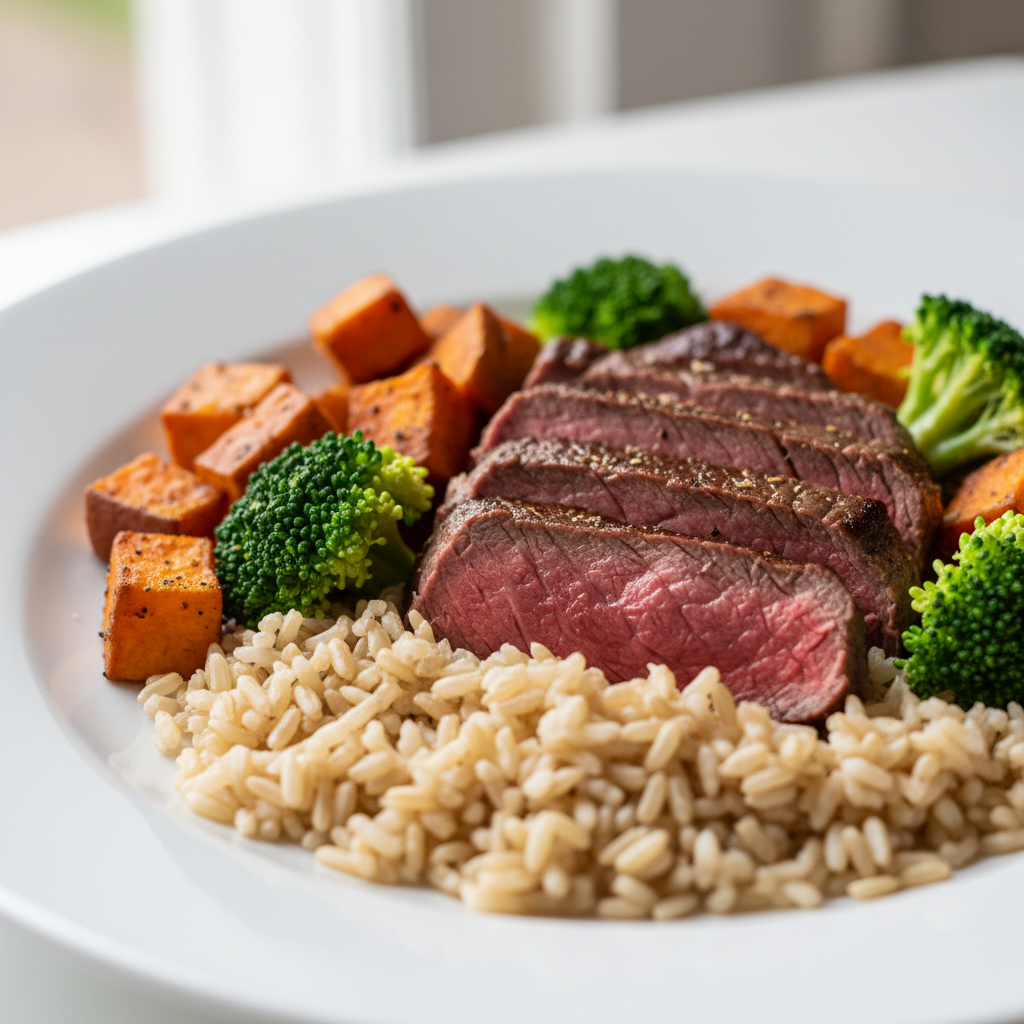
Unlike cats, dogs can digest both animal and plant-based foods. But that doesn't mean all sources are equal. Dogs evolved eating primarily meat, and high-quality animal protein should still be the foundation of their diet.
A good rule of thumb: the first ingredient should always be a named meat source — chicken, beef, lamb, turkey, or salmon. If grains or legumes appear before meat, keep looking.
Reading the Ingredients Label
Ingredients are listed in order of weight before cooking. The first five ingredients tell you most of what you need to know.
✅ Green Flags — Look For These
- Named protein first — "Chicken," "Beef," "Lamb" (not "meat" or "animal protein")
- Whole vegetables and fruits — sweet potato, peas, blueberries, carrots add vitamins and fiber
- Healthy fats — chicken fat, salmon oil, and flaxseed are excellent sources of omega fatty acids
- Named organs — chicken liver or beef heart add natural vitamins and minerals
- AAFCO statement — look for "complete and balanced" on the label, which means it meets established nutritional standards
❌ Red Flags — Watch Out For These
- Unnamed proteins — "meat meal" or "animal by-products" without a species listed
- Artificial colors — Red 40, Yellow 5, Blue 2 are unnecessary and potentially harmful
- Artificial preservatives — avoid BHA, BHT, and ethoxyquin; choose foods preserved with vitamin E or C
- Excessive fillers — corn syrup, wheat flour, and soy as main ingredients
- "Flavor" at the end — "chicken flavor" means there may be very little actual chicken
Dry, Wet, or Raw? Breaking It Down
Dry kibble is the most popular choice — it's convenient, cost-effective, and many formulas are nutritionally complete. Look for high meat content and avoid brands that use excessive starch to bind the kibble.
Wet food has higher moisture content and is often more palatable for picky eaters or senior dogs. It can be fed as a complete meal or mixed with dry food.
Raw food (BARF — Biologically Appropriate Raw Food) is growing in popularity. When done right, it can be excellent for dogs. However, it requires careful handling and balancing to avoid nutritional deficiencies and bacterial contamination.
The best approach for most dogs: high-quality dry kibble as the base, with wet food or healthy toppers added for variety and hydration.
Size and Breed Matter
Dog food isn't one-size-fits-all. Consider:
- Small breeds — need calorie-dense food in smaller kibble sizes; higher metabolism means more energy per pound
- Large breeds — need controlled calcium and phosphorus levels to support joint and bone development, especially as puppies
- Giant breeds — should avoid food that promotes rapid growth, which can stress developing joints
- Active breeds — working dogs or highly active breeds need more protein and fat
- Low-activity dogs — senior or indoor dogs may need lower-calorie formulas to prevent weight gain
Life Stage: Always Match the Formula
- Puppy food — higher protein, fat, DHA for brain development, and calcium for bone growth
- Adult food — balanced for maintenance; avoid puppy food for adult dogs as excess nutrients can cause issues
- Senior food — lower calories, added joint support (glucosamine, chondroitin), and kidney-friendly protein levels
- All life stages — suitable for all dogs but check the calorie density if your dog is less active
The AAFCO Statement: Your Safety Net
Always look for an AAFCO (Association of American Feed Control Officials) nutritional adequacy statement on the packaging. It should say the food is:
"complete and balanced for [life stage] as established by AAFCO feeding trials"
This tells you the food has been tested or formulated to meet minimum nutritional standards — not just made to look good on a shelf.
The Bottom Line
Great dog food starts with a named protein, follows with wholesome ingredients, and carries an AAFCO statement for your dog's life stage. Match the formula to your dog's size, age, and activity level — and when in doubt, your vet is always your best resource.
Your dog gives you their whole heart every single day. The least we can do is make sure what goes in their bowl is worth it.
Top Picks on Amazon
Our recommended products based on this article — check prices and availability.